
Harnessing Evolution to Cure Prion Diseases
Heprion is a deep-science biotechnology start-up that leverages physiological processes refined through evolution to tackle prion diseases.
Research Advancements
Deriving innovative treatment ideas from an understanding of disease mechanisms.
Develop the first curative treatment for prion diseases.
Collaborate with us on our quest for a future without prion diseases.
Our Mission
Partner with us
We take a science-first approach to engineering one-time, curative therapies. We are leveraging our deep expertise in prion biology to create designer molecules that directly address the root cause of prion diseases.
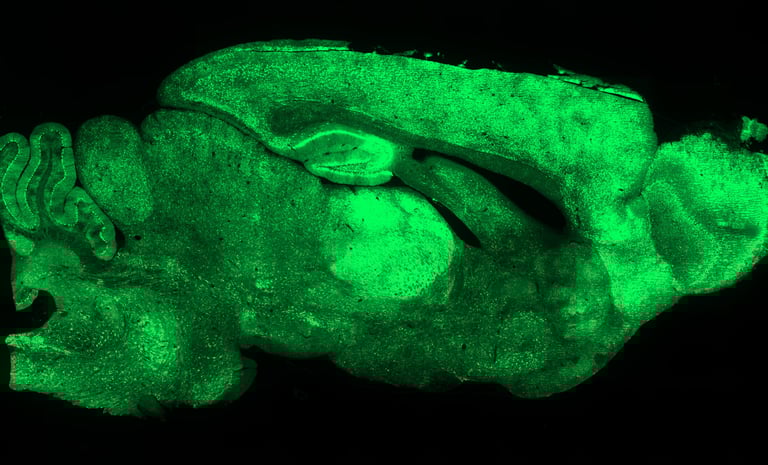
No Approved Treatments
Prion diseases are class of rapidly progressing and universally fatal neurodegenerative diseases. They affect approximately 1 in 5,000 humans.
The prognosis for patients is extremely poor, with survival measured in months following diagnosis. Despite their severity, there are no clinically approved treatments for prion diseases.
This stark reality underscores the urgent need for effective therapies.
Innovative Strategy


Therapeutic Research and Discovery
We specialize in advancing treatments for neurodegenerative diseases, focusing on prion disease research and development.
Cutting-Edge Research
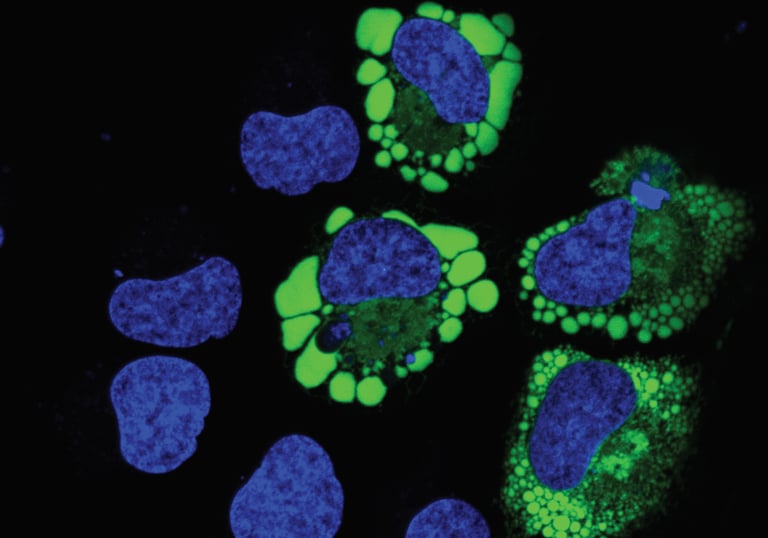
Our team conducts pioneering research to understand prion biology, enabling us to design molecules that can combat prion diseases effectively.
Collaborative Partnerships
We collaborate with leading institutions and thought leaders with access to relevant human infectious prion pathogens to conduct efficacy studies.
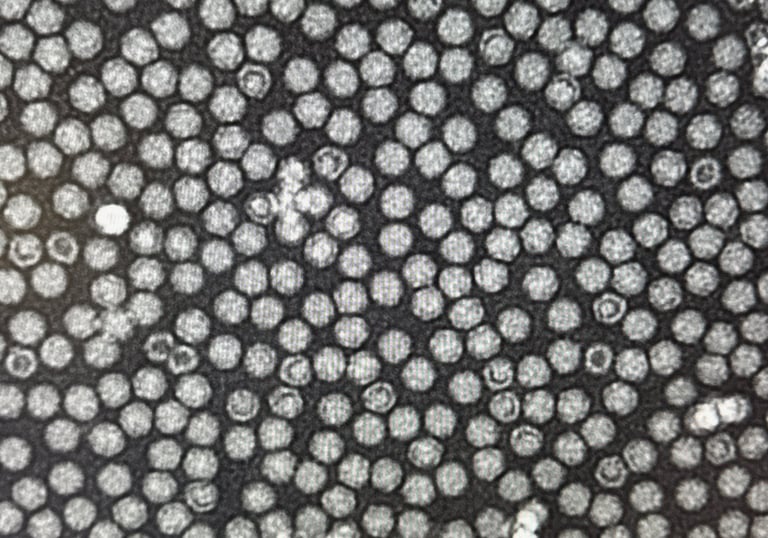
Interventions in the central nervous system require state-of-the-art delivery solutions. Our in-house expertise in viral technology enables our therapeutic pipeline.
Engineering therapeutic delivery


Research
Harnessing evolution to create designer molecules that could halt neurodegeneration.
Contact
Support
heprion@gmail.com
© 2025. All rights reserved.